
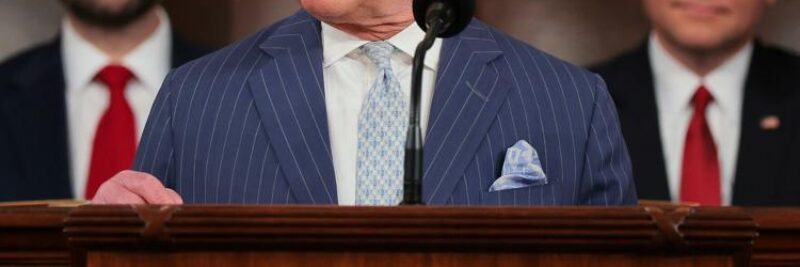
King Charles III Gives Historic America250 Speech
King Charles III stepped into a chamber defined by partisan friction and, for nearly half an hour, managed to quiet it.
Speaking before a joint session of Congress, the British monarch delivered a speech built less on ceremony and more on careful calibration. His tone was measured, his humor dry, and his message direct: the United States and the United Kingdom remain bound by something more durable than any current political dispute. Lawmakers from both parties responded in kind, rising repeatedly as he moved between history, security, and shared institutional values.
He framed the relationship in blunt terms—“irreplaceable and unbreakable”—but avoided grandiosity. Instead, he leaned on specifics: a partnership that began in conflict, hardened through wars, and now faces a different kind of strain. His reference to America’s upcoming 250th anniversary was not treated as a symbolic milestone but as a reminder of origins that were anything but harmonious. The point was clear without being overstated: the alliance has survived worse.
That subtext carried into his handling of present tensions. Without naming disputes directly, particularly the ongoing friction between President Trump and Prime Minister Keir Starmer, Charles positioned continuity over conflict. He quoted both leaders, placing their words side by side as if to suggest that disagreements at the top have not erased the underlying alignment.
Security dominated the core of his remarks. He pointed to a shifting global landscape and described it as “more volatile and more dangerous,” then followed with a concrete response: increased British defense spending at levels not seen since the Cold War.
NATO received explicit backing, not as an abstract ideal but as a functioning system of mutual defense. His call for continued support of Ukraine drew one of the strongest reactions in the chamber, cutting cleanly across party lines.
He also chose a precise moment to address American governance itself. Referencing Magna Carta and its repeated citation in Supreme Court cases, Charles tied British constitutional roots to the American system of checks and balances. The line landed in a room where concerns about executive authority have been openly debated, and the response—a bipartisan standing ovation—suggested the message was received as intended.

Not every section drew equal enthusiasm. His comments on environmental risks, framed in terms of national security and economic stability, were met with noticeably less energy. The contrast underscored the limits of consensus, even within an otherwise receptive audience.
Outside the chamber, reactions reflected a rare moment of agreement. Senator Lindsey Graham called the speech a “morale boost,” adding a note of irony that it took a British monarch to produce it. The remark captured the atmosphere: a temporary alignment forged not through policy concessions, but through tone, restraint, and a shared acknowledgment of history.