
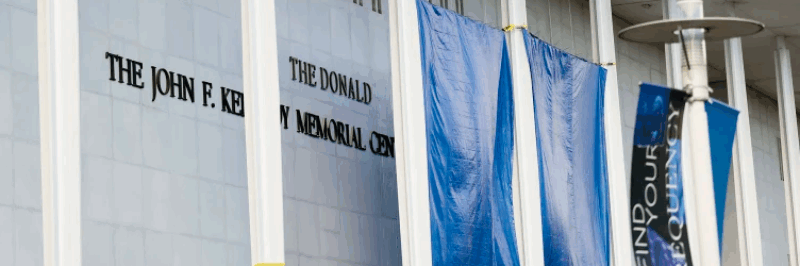
Kennedy Center Board Votes On Name
In a political maneuver as flamboyant as it is provocative, President Donald Trump has orchestrated the renaming of the iconic John F. Kennedy Center for the Performing Arts, now officially designated the Trump-Kennedy Center—a symbolic act that has launched a thousand headlines, infuriated the Kennedy family, and cracked open a cultural fault line that has long been rumbling beneath Washington’s marble surface.
The decision, announced Thursday afternoon, follows months of speculation and not-so-subtle hints. Trump had already been referring to the venue by its new name in online posts—half jest, half foreshadowing. But with the center’s board of trustees now firmly under his influence, the renaming became more than a branding exercise—it became reality.
“I was honored by it,” Trump said with signature showmanship during a press conference, claiming surprise at the board's decision even though he had phoned into their meeting earlier that day. The board, comprised almost entirely of Trump allies (with a statutory handful of bipartisan congressional members), voted to formalize what the president had long teased: an institution once dedicated solely to the legacy of John F. Kennedy would now bear the Trump name alongside it.
If the move was designed to provoke, it succeeded in spades.
The Kennedy family’s reaction was swift, fierce, and deeply personal. Jack Schlossberg, JFK’s grandson, condemned the vote and pointed out that microphones were muted during the meeting, hinting at procedural irregularities and lack of transparency. He tied the move to Trump’s political ambitions in New York, saying his own congressional campaign represented “everything Trump can’t stand or defeat.”
Former Rep. Joe Kennedy III weighed in with a powerful legal and symbolic objection: “The Kennedy Center is a living memorial to a fallen president and named for President Kennedy by federal law. It can no sooner be renamed than can someone rename the Lincoln Memorial.” His words underscore the broader concern—not just about a name change, but about the historical integrity of national monuments.
Kerry Kennedy, daughter of Robert F. Kennedy and head of the Robert & Ethel Kennedy Human Rights Center, delivered one of the most scathing critiques. She accused the Trump administration of spending the past year “repressing free expression, targeting artists, journalists, and comedians, and erasing the history of Americans whose contributions made our nation better and more just.”

Maria Shriver, another Kennedy relative and respected journalist, kept her reaction succinct but visceral: “Some things leave you speechless, and enraged, and in a state of disbelief.”
It’s not just a name—it’s a cultural flashpoint. The Kennedy Center was established in 1964 as a national memorial to John F. Kennedy, enshrining the values of arts, diplomacy, and idealistic public service that he championed. Now, Trump has done what critics say he does best: insert his brand into the DNA of American institutions, with the full force of executive power and political loyalty behind him.
Yet despite the outrage, the legal path to reversing the change is murky. The board holds significant authority over naming rights within the center’s operational framework, and Trump’s control over its membership leaves few internal avenues for dissent.

Hakeem Jeffries, the House Minority Leader from New York—mockingly dubbed “Temu Obama” by conservative media—called the move “blatantly illegal,” adding more fuel to a fire already burning hot. As the legal and legislative challenges inevitably mount, this episode may prove to be a defining skirmish in the broader battle over cultural ownership in American politics.