
Trump Brokers A First In Decades On World Stage
A diplomatic breakthrough that seemed unlikely just days ago suddenly became reality Wednesday as the State Department announced that U.S.-mediated negotiations between Israel and Lebanon have produced a cease-fire agreement aimed at halting months of violence along the border.
The agreement carries enormous significance because it directly targets the conflict between Israel and Hezbollah, the Iranian-backed terrorist organization whose attacks have repeatedly threatened to ignite a broader regional war.
Under the terms of the deal, Hezbollah is required to stop all attacks against Israel and withdraw its operatives from southern Lebanon. Notably, Hezbollah itself was not a participant in the negotiations, making enforcement one of the key questions surrounding the agreement.
According to a joint statement released by the United States, Israel, and Lebanon, “The ceasefire is contingent on a complete cessation of Hizbollah fire and the evacuation of all Hizbollah operatives from the South Litani Sector.”
The agreement also outlines a new security framework designed to reduce Hezbollah's influence in the region.
“The two sides agreed with the guidance of the United States to swiftly advance the creation of pilot zones in which the Lebanese Armed Forces will take exclusive control of the territory to the exclusion of all non-state actors,” the statement continued.
“These steps will enable progress towards a comprehensive peace and security agreement.”
The announcement followed two days of negotiations in Washington involving representatives from both Israel and Lebanon. Secretary of State Marco Rubio hinted earlier in the day that a breakthrough was within reach while testifying before the House Foreign Affairs Committee.
“As I speak to you now … leaders of the legitimate government of Lebanon and leaders from the government of Israel are seated at the State Department for the second day in a row,” Rubio told lawmakers.
“And hopefully today will produce a joint statement and an action plan on a track for security in that country, independent from Hezbollah, independent from nefarious influence,” he added.

The cease-fire is not intended to be the final step. Both sides have agreed to resume negotiations during the week of June 22 with the ambitious goal of pursuing a broader peace agreement. The United States will again serve as mediator.
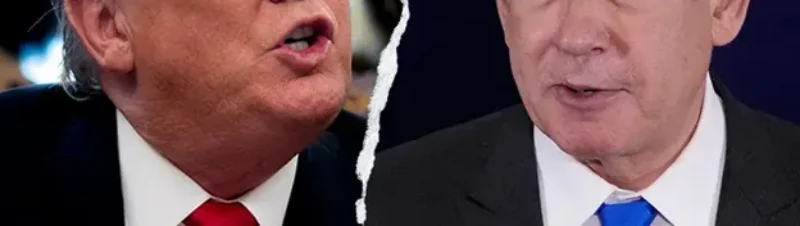
The development comes amid reports of growing frustration inside the White House over continued fighting in the region. Just two days before the cease-fire announcement, Axios reported that President Donald Trump had sharply criticized Israeli Prime Minister Benjamin Netanyahu during a phone call regarding military operations in Lebanon.
According to the report, Trump bluntly asked Netanyahu, “What the f–k are you doing? You’re f–king crazy.”
Trump later confirmed the substance of the exchange during an appearance on “Pod Force One.”
“I was a little bit perturbed at his constantly fighting with Lebanon,” the president said.
The conflict has also complicated broader diplomatic efforts involving Iran. Tensions between Israel and Hezbollah have repeatedly threatened to derail U.S.-Iran negotiations, with Tehran insisting that Israeli military operations against Hezbollah be addressed before progress could be made on issues including reopening the Strait of Hormuz and discussions surrounding Iran’s nuclear program.
The current round of hostilities began in March when Hezbollah launched rockets into Israel, prompting Israeli airstrikes and ground operations inside Lebanon.
Whether this cease-fire holds remains to be seen. Agreements on paper are one thing; maintaining discipline among armed groups operating in volatile border regions is something else entirely. Still, after months of escalating violence and fears of a wider conflict, the announcement represents a significant diplomatic achievement and offers both countries an opportunity to move toward a more durable security arrangement.