

Viral Photo Fuels Voter Questions In Contested Election
Questions surrounding voter registration practices in Los Angeles are drawing renewed attention after a review of public records identified thousands of registered voters connected to homeless shelters, service providers, and other facilities across the city. The findings have now prompted federal interest, with U.S. Attorney Bill Essayli saying his office will examine the concerns and determine whether any laws were violated.
According to records reviewed by The New York Post, approximately 7,600 registered voters were tied to homeless shelters and service organizations throughout Los Angeles County. The report identified numerous locations where voter registrations significantly exceeded the number of beds available, while some addresses listed as voter registration sites reportedly do not provide housing accommodations at all.
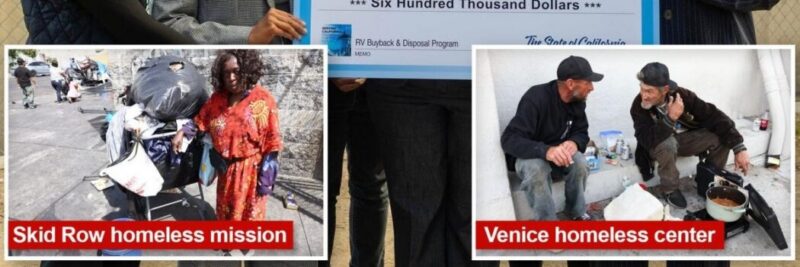
One of the most notable examples involved the St. Joseph Center in Venice. Public voter records showed 185 registered voters associated with the address, despite the facility functioning primarily as a drop-in service center rather than a residential shelter. The organization also received a $600,000 taxpayer-funded grant that was awarded while Los Angeles City Councilmember Nithya Raman chaired the city's Housing and Homelessness Committee.
The issue gained additional attention after reports that a photograph showing Raman presenting a grant check to the organization was removed from the center's website following media inquiries. Neither Raman's campaign nor the organization reportedly responded to requests for comment.
The largest concentration of registrations identified in the review was tied to the Midnight Mission in Skid Row. Voter records showed approximately 1,160 registrations connected to the facility's address. According to information on the organization's website, the shelter provides beds for 84 men and 36 women.
Several homeless individuals interviewed for the report described voter registration drives occurring regularly in Skid Row and surrounding areas.
One man identified as Norman claimed he had previously been paid to assist with voter registration efforts and said cigarettes were sometimes offered during registration campaigns. The newspaper noted it was unable to independently verify those allegations or determine whether any political campaign, voter registration organization, or advocacy group was involved.
Another homeless resident, Bo Jackson, reportedly told reporters that although he was registered to vote, he could not recall registering and could not identify a candidate in the Los Angeles mayoral race.
Beyond shelters, the review identified hundreds of registrations associated with supportive housing developments, affordable housing projects, behavioral health facilities, addiction treatment centers, and county social service locations. Several sites reportedly added large numbers of voters in the weeks leading up to registration deadlines.
The findings have fueled criticism of California's election system from those who argue that current laws create opportunities for abuse.

Essayli was particularly blunt in his assessment.
"California has effectively decriminalized election fraud by removing basic fraud detection that are common in other states," he said.
He also criticized California's voter identification policies, ballot collection laws, and voter registration system, calling for federal access to audit voter rolls.
Election law experts, however, argue that the registrations identified are largely consistent with how California's election system was intentionally designed to operate.
Attorney Garrett Fahy, who practices election law in California, said the state's framework prioritizes maximizing voter participation rather than imposing additional barriers to registration.
"The system is not set up to prevent people from voting. It's to ensure anyone who can register votes," Fahy said.
He noted that local election officials generally do not independently investigate registrations and instead administer elections according to laws established by state lawmakers and the secretary of state's office.
Fahy argued that the concentration of registrations at shelters and service providers reflects longstanding policy choices made by California legislators.
"This is the system that our representatives have given to us," Fahy said. "If you don't like our system, don't yell at your local elections official. Go yell at Sacramento and go yell at the secretary of state because those are the people who determine the laws that we have."
Whether the registrations represent routine operation of California law, administrative quirks tied to homeless outreach programs, or evidence of something more serious will likely depend on what investigators uncover.