

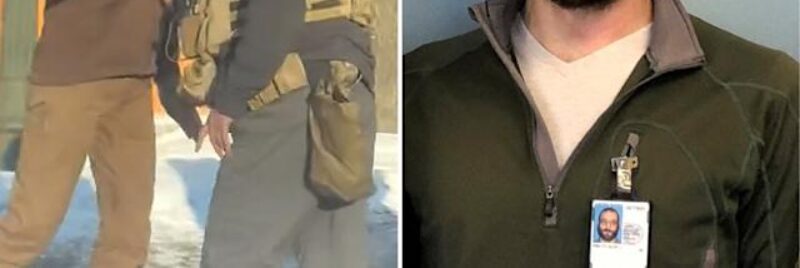
Change In Photo Sparks Debate
The media didn’t just cover the death of Alex Pretti — it appears one network decided to revise him.
Viewers watching Nicolle Wallace’s show on MS NOW were introduced to a noticeably altered portrait of the late activist, one that bore only a passing resemblance to the man whose real photographs had already circulated widely following his fatal encounter with federal agents. The difference wasn’t subtle. The version aired on television looked tougher, sharper, more “heroic,” as though Pretti had been run through a Hollywood filter designed to manufacture a martyr rather than present a human being.
Nicolle Wallace while showing AI-enhanced Pretti photo:
"Donald Trump and his administration are demanding once again that you do not believe your eyes and ears."
Amazing. pic.twitter.com/dPojKj6QDw
— Western Lensman (@WesternLensman) January 27, 2026
The irony was thick enough to cut with a knife. As the enhanced image sat on screen, Wallace warned her dwindling audience that President Donald Trump wants Americans not to trust what they see. That admonition might have landed harder if it weren’t delivered alongside a visibly manipulated photograph. The segment unintentionally became a case study in exactly why public trust in legacy media continues to erode.
Pretti, according to extensive reporting after his death, was an ICU nurse and activist — not an action-movie extra, not a revolutionary icon sculpted for dramatic effect. Yet the image presented suggested otherwise. Sharper jawline. Harder expression. A “macho martyr” aesthetic that aligned neatly with the narrative being sold, even if it didn’t align with reality.
Online commenters noticed immediately. Many joked that MS NOW must have hired a plastic surgeon instead of a graphics editor. Others mockingly volunteered to take over the network’s graphics department, promising to “touch up” future subjects until they matched the approved emotional framing. Humor aside, the criticism carried a serious undertone: people recognized the manipulation because they had already seen the real man.
Genuinely embarrassing. Pretending they’re the “eyes and ears” network now. Give me a break, lady. pic.twitter.com/cyZI5f1ECz
— P.T. Ward (@HTWardish) January 27, 2026
Some observers speculated openly about why the altered image was chosen. The consensus was uncomfortable but blunt — that the authentic version of Pretti didn’t fit the role he was being cast in. The revised image did.
Update, this is the real photo. For reals. pic.twitter.com/9IAxllrD8u
— OfficerNasty (@OfficerNastee) January 27, 2026
This isn’t a new accusation leveled at cable news. Networks have been caught before cropping, color-correcting, and subtly reshaping images to evoke specific emotional responses. What makes this instance stand out is how unnecessary it was. Pretti’s death was already politically charged. The facts alone were enough to fuel debate. Altering his appearance only raised new questions about motive and credibility.
When viewers have access to a dozen real photographs and then see a noticeably different version on television, the deception becomes obvious. And once noticed, it’s impossible to unsee.