
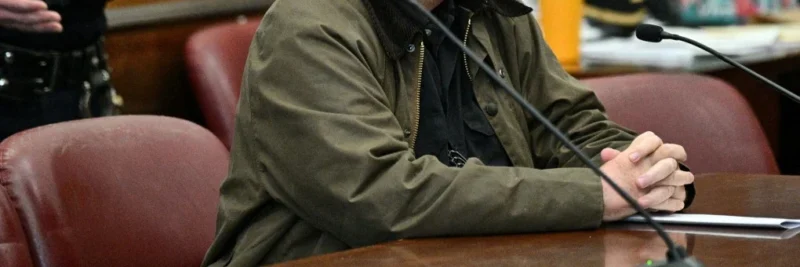
New Development With Steve Bannon Jan 6 Conviction
There’s a difference between undoing a punishment and undoing a verdict—and the Supreme Court’s move in Steve Bannon’s case lands in that narrow, legally precise space between the two.
On paper, the decision is straightforward. In a brief, unsigned order, the Court wiped away the appellate ruling that had upheld Bannon’s contempt of Congress conviction and sent the case back down, clearing the path for the Justice Department to dismiss it. No dissents, no extended explanation—just a procedural reset that removes the final barrier to ending the case.
But the timing and context are what give it weight.
Bannon was convicted in 2022 for refusing to comply with a congressional subpoena tied to the Jan. 6 investigation. The case moved through the courts in typical fashion: conviction, appeal, affirmation. By 2024, the legal fight had run its course. He served four months in prison. He paid the fines. From a practical standpoint, the sentence was already carried out.
That’s what makes this moment unusual. The system already delivered its consequence, and now—after the fact—the conviction itself is being positioned for dismissal.
The mechanism matters here. This wasn’t the Court revisiting the facts of the case or declaring the conviction flawed on its merits. Instead, it removed a procedural obstacle so the executive branch—the Justice Department under Trump—can choose to abandon the prosecution entirely. In other words, the Court didn’t exonerate Bannon; it stepped aside so the administration could.
That distinction is easy to blur but important to keep intact.

The Justice Department’s justification—that continuing the case is no longer in “the interests of justice”—marks a sharp reversal from its earlier stance. Under the previous administration, prosecutors argued Bannon’s refusal to testify was absolute and unjustified, pushing successfully for conviction and incarceration. Now, the same case is being unwound from the top down.
Layered onto that is the broader pattern. This decision doesn’t stand alone—it fits into a wider effort by the Trump administration to dismantle or roll back legal consequences tied to the Jan. 6 investigation. Pardons for hundreds of defendants, personnel changes within the FBI, and now the potential erasure of a high-profile contempt conviction all point in the same direction: not just ending prosecutions, but revisiting their outcomes.
Still, “symbolic” doesn’t mean insignificant.

A criminal conviction carries weight beyond jail time—reputation, legal precedent, historical record. Vacating it, even after the sentence is served, alters that record. It changes how the case is cited, how it’s remembered, and how similar cases might be approached in the future.
And that’s where the real impact sits—not in what happens to Bannon personally, but in what it signals about the durability of congressional subpoenas, the independence of prosecutions, and how much of the post–Jan. 6 legal landscape can be reworked after the fact.
The district court will handle the formal dismissal from here. But the larger shift has already happened.