
New Report Launches Allegations Surrounding Palisades Fire
As Los Angeles grappled with one of the most destructive wildfires in California history, the absence of its mayor became a defining political and administrative controversy. Mayor Karen Bass was overseas in Africa, attending the inauguration of Ghana’s president, while the Palisades Fire tore through communities, overwhelming firefighting resources and exposing deep vulnerabilities in the city’s disaster preparedness.
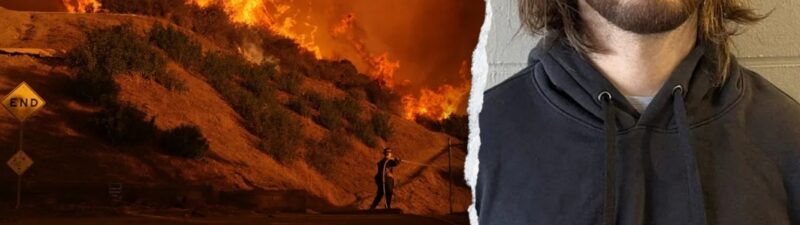
The blaze raged for most of January 2025, ultimately killing 12 people, destroying more than 16,000 homes and structures, and causing an estimated $150 billion in damages. Fire crews struggled to contain the inferno as winds and dry conditions turned a fast-moving brush fire into a catastrophic urban disaster.
That initial political fallout has since intensified following reports that Bass personally intervened in the official after-action report reviewing the city’s response. According to sources cited by the Los Angeles Times, Bass reviewed an early draft of the report and pushed to have key findings softened or removed altogether.
Those findings reportedly detailed failures by the Los Angeles Fire Department, including the decision not to fully staff or pre-deploy all available crews despite forecasts warning of extreme wind conditions. The justification, according to the draft, was that such preparations did not align with existing city policy.
BREAKING: Los Angeles Mayor Karen Bass allegedly had officials alter an after-action report on the Palisades fire to downplay failures by the city and the Los Angeles Fire Department in combating the catastrophic blaze.
Sources close to Bass say she lied when she claimed she had… pic.twitter.com/an9cKJ225A
— Ryan Saavedra (@RyanSaavedra) February 4, 2026
Sources told the Times that Bass warned then-interim Fire Chief Ronnie Villanueva that leaving the original conclusions intact could expose the city to legal liability. Despite being advised internally that altering the report would be a “bad idea” with serious political consequences, Bass allegedly withheld the draft until revisions were made.
The final report, released in October, omitted the critical section entirely and instead praised department leadership for adhering to a standard “pre-deployment matrix,” language that sharply contrasted with the scale of the destruction that followed.
The controversy did not end there. In the aftermath of the fire, Los Angeles’ fire chief was dismissed, triggering further political tension within City Hall and the department. Firefighters were reportedly discouraged from discussing whether homeless encampments may have played a role in igniting fires, even as other systemic issues came to light. These included aging and unreliable fire hydrant infrastructure, drained reservoirs, staffing shortages, and a lack of available resources during the crisis.

Investigators ultimately traced the origin of the disaster to Jonathan Rinderknecht, 29, who allegedly sparked the fire on January 7. Although firefighters initially extinguished the blaze, embers smoldered underground and later reignited, leading to the catastrophic spread. Rinderknecht now faces up to 45 years in prison if convicted on all charges.