
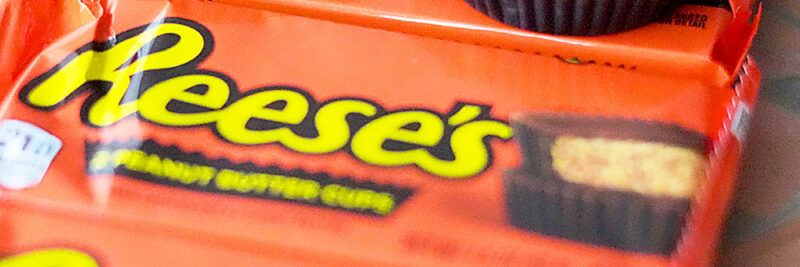
Popular Candy Bar Returns To Original Recipe
It started with a complaint that didn’t come from a focus group or a quarterly report, but from inside the Reese family itself.
Brad Reese, grandson of H.B. Reese, went public after buying a seasonal bag of Reese’s and finding something he didn’t recognize. Not in branding or packaging—but in taste. He described the candy as “inedible,” pointing specifically to what he said was missing: the familiar combination of milk chocolate and peanut butter, replaced in certain products by vegetable oils and alternative ingredients.
His criticism didn’t stay contained. It spread quickly, tapping into a broader suspicion among consumers that something about long-established products had quietly changed.
Hershey’s response, at least on the surface, appears decisive. The company says it will return Reese’s to its traditional formulations by 2027, restoring classic milk and dark chocolate across affected products.
At the same time, it plans to remove artificial colors from its broader lineup and adjust other items, including KitKat bars, in pursuit of a different texture profile. Behind that is a 25% increase in research and development spending, signaling that the company is not treating this as a minor tweak.
Hershey will change the chocolate in a small portion of its Reese’s and Hershey’s products, the latest twist in a squabble over its ingredients initiated by a grandson of the Reese’s Peanut Butter Cup creator. https://t.co/6jAmgqS3tJ
— Bloomberg (@business) March 31, 2026
But the scale of the issue is narrower than the reaction might suggest. The recipe changes apply to less than 3% of Reese’s products—primarily certain mini cups, seasonal shapes, and specific bars like Fast Break.
That detail complicates the narrative. For most consumers, the core product likely hasn’t changed at all. Yet the perception that it has proved powerful enough to trigger both backlash and a corporate response.
Company leadership maintains that these adjustments were already in motion before the controversy. CEO Kirk Tanner pointed to brand consistency as the driving factor, suggesting the goal is alignment rather than reversal under pressure.
That claim sits alongside earlier remarks from Hershey’s finance chief, who said prior formula tweaks had produced “no consumer impact whatsoever”—a statement that now reads differently given the reaction that followed.
The market response added another dimension. Hershey’s stock dipped after the story gained traction, though it has since stabilized and remains up overall. Investors appear to be weighing short-term reputational hits against longer-term pricing strategies and earnings expectations.