

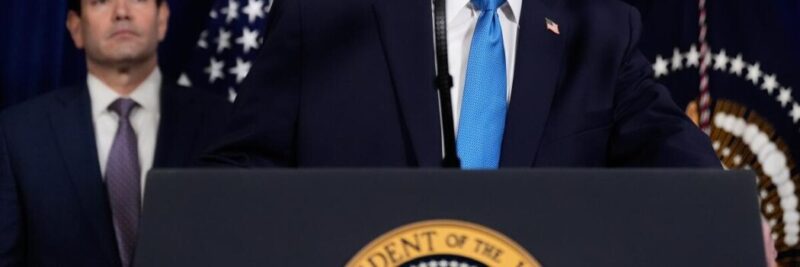
Trump Issues Comments On Venezuela Policy
In a stunning development that signals a dramatic geopolitical shift in energy diplomacy, Venezuela’s state-run oil giant PDVSA confirmed Wednesday that it is actively negotiating the sale of crude oil to the United States.
The announcement, framed as a "strictly commercial transaction," comes just hours after President Donald Trump revealed that between 30 to 50 million barrels of Venezuelan oil are en route to U.S. shores—under terms that radically reshape the traditional dynamics of global oil trade.
The PDVSA statement, delivered through social media, took pains to emphasize legality, transparency, and mutual benefit, aligning the deal with similar commercial arrangements it holds with international firms like Chevron.
But this is no ordinary trade agreement. This is a high-stakes, high-octane arrangement that puts President Trump at the center of a foreign energy transaction—with one key twist: the proceeds will be controlled directly by the President of the United States.
“This Oil will be sold at its Market Price,” Trump wrote on Truth Social, “and that money will be controlled by me… to ensure it is used to benefit the people of Venezuela and the United States.”
Such a move is unprecedented, not only in the degree of presidential control but in the nature of the agreement itself. According to Energy Secretary Christ Wright, speaking Wednesday in Miami, the U.S. will begin marketing Venezuela’s “backed up, stored oil” and continue to manage and sell its future production “indefinitely.”
In return, Venezuela will commit to spending those oil revenues exclusively on American-made goods—from agriculture and medicine to power grid infrastructure and medical devices.
The message from Trump was clear: this is a new model for foreign relations, one that leverages American industrial capacity and energy dominance in a mutually beneficial partnership. “Venezuela is committing to doing business with the United States of America as their principal partner,” he wrote. “A wise choice, and a very good thing for the people of Venezuela, and the United States.”
If successful, the plan could mark the beginning of a new doctrine: energy diplomacy through direct U.S. management of foreign resource revenue. Whether it delivers lasting benefit to the Venezuelan people remains to be seen—but for now, it’s a bold, unapologetic play from a president who appears determined to rewrite the rules of global trade—barrel by barrel.