

Trump Reverses Obama-era School Policy
The Presidential Fitness Test is coming back—and this time, it’s not being framed as a nostalgic throwback, but as a reset on how schools measure physical ability.
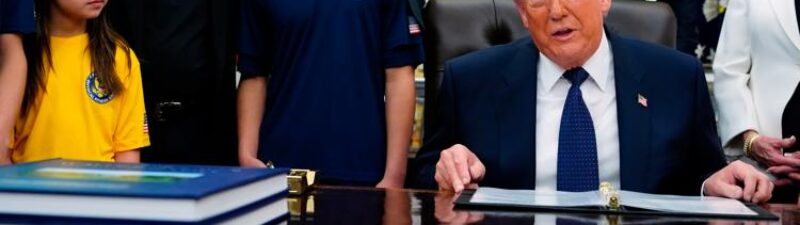
President Donald Trump is set to sign a memorandum restoring the Presidential Fitness Test Award, reviving a program that once pushed students to meet defined performance benchmarks in activities like running, sit-ups, and flexibility drills. The signing, scheduled for Tuesday, brings the initiative back into focus after it was phased out during the Obama administration and replaced with a system that emphasized general health over competitive metrics.
This revival leans in the opposite direction. The updated version returns to ranking and measurable standards—students earning recognition based on how they perform, not just whether they meet baseline health indicators. That distinction was at the heart of earlier criticism when the original program was retired, with opponents arguing it sidelined less athletic students. Now, the administration appears comfortable reintroducing that competitive edge.
The rollout is being staged with visibility. Members of the President’s Council on Sports, Fitness and Nutrition will be present, alongside well-known athletes like Bryson DeChambeau and Noah Syndergaard. The setting extends beyond the Oval Office, with a South Lawn event planned to coincide with National Youth Sports and Fitness Month, signaling that this is as much a public message as it is a policy move.
There’s also a historical thread running through the decision. The fitness test dates back decades, with roots in Cold War-era concerns about the physical readiness of American youth compared to their European counterparts. Presidents from Eisenhower to Kennedy expanded the program, embedding it into school systems nationwide.
The Obama-era replacement—the Presidential Youth Fitness Program—shifted the focus toward long-term health metrics rather than competition. That model aligned with broader public health campaigns at the time, particularly around childhood obesity, which remains a measurable concern today. Recent CDC data shows over one in five Americans between ages 2 and 19 classified as obese, with a smaller but significant percentage facing severe obesity.
Trump’s move reframes the response: less emphasis on quiet assessment, more on visible performance and achievement. Whether schools adopt the program uniformly, and how educators balance competition with inclusion, will shape how this version of the test actually plays out in classrooms and gymnasiums.
For now, the message is clear—fitness, in this model, is something to be tested, scored, and recognized again