
Welfare Fraud Crackdown Has Blue States Scrambling
Last week, the FBI rolled into Minneapolis and raided 22 questionable day care operations as part of a widening federal probe into what authorities suspect is massive fraud tied to taxpayer-funded social service programs. Then, just days later, Vice President JD Vance put Columbus, Ohio, squarely in the crosshairs of a new federal fraud task force after allegations surfaced involving what could become a billion-dollar Medicaid scheme.
And here’s the part that has political insiders sweating: neither investigation started with major newspapers, cable networks or government watchdog agencies. They started with independent journalists carrying cameras, stacks of paperwork and a willingness to knock on doors most reporters never bother approaching.
In Minneapolis, citizen journalist Nick Shirley became impossible to ignore after posting viral videos exposing bizarre “day care centers” that appeared either completely empty or barely operational despite receiving staggering amounts of public money. One location, the now-famous “Quality Learing Center,” became symbolic of the wider scandal. Shirley’s reporting helped pull back the curtain on what critics say could amount to more than $9 billion in questionable public funding tied to child care programs, food assistance and senior services across Minnesota.
Meanwhile in Ohio, investigative reporter Luke Rosiak was digging into suspicious Medicaid billing patterns and questionable service providers connected to Columbus-area programs. Piece by piece, independent reporting started uncovering allegations that billions in taxpayer dollars may have vanished into networks of shell operations and phantom businesses.
Instead of celebrating the watchdog work, however, lawmakers in several blue states are now moving aggressively in the opposite direction. Critics say they are trying to make sure reporters can never expose similar scandals again.
California Democrats are backing legislation known informally as the “Stop Nick Shirley Act,” officially filed as AB 2624. Supporters insist the bill is designed to protect immigrants and social service workers from harassment and intimidation. But opponents see something else entirely: a law vague enough to criminalize basic investigative journalism.
The bill would prohibit sharing photos, personal information or workplace details of “immigrant service providers” if such sharing is considered harassment. The problem is that terms like “harassment” and “intimidation” are left largely undefined, creating enormous gray areas that could expose reporters to legal threats simply for publishing publicly available information tied to taxpayer-funded programs.
That’s where media watchdog groups are sounding alarms.
Because investigative journalism often works exactly this way. Reporters pull public records, verify addresses, identify business operators and compare government funding data against reality on the ground. A law broad enough to label that process “harassment” could easily become a weapon against independent reporting.
Washington state has seen similar efforts. Democrats there introduced SB 5926 shortly after Shirley’s videos exploded online. The proposal sought to shield day care centers’ addresses and employee identities from public disclosure. Although the bill stalled before passage, critics say the effort revealed how quickly lawmakers moved once reporters started connecting dots involving public money.

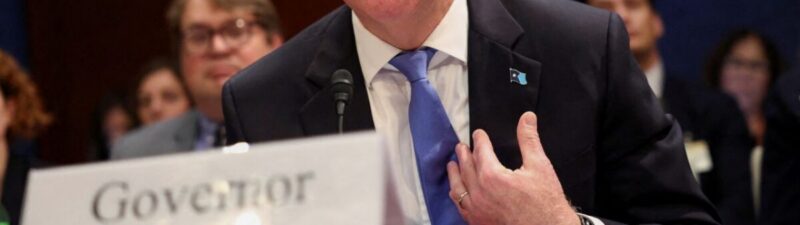
Then came another controversy in late April. Washington Gov. Bob Ferguson announced $55.8 million in grants to early-learning providers across the state — but many recipient names were redacted from public release. Officials claimed the move was necessary to protect sensitive information.
For transparency advocates, that explanation raised immediate concerns. Taxpayer money was being distributed, but the public could no longer easily verify who received it or whether those organizations even existed in the form presented on paper.
And the restrictions aren’t stopping at records access.
Independent and conservative journalists in Washington have repeatedly accused state institutions of denying them media credentials and limiting access to government buildings. Critics argue a system is developing where legacy media outlets and ideologically aligned reporters retain access while outsiders investigating fraud face barriers at every step.
Oregon nearly joined the trend this year after Democrats passed legislation that would have expanded the definition of “public meetings” in ways critics said could make government communications easier to hide from scrutiny. Gov. Tina Kotek ultimately vetoed the bill following backlash from journalists and transparency advocates.
None of this may sound glamorous compared to headline-grabbing political drama in Washington. But historically, massive fraud scandals often begin with small inconsistencies spotted by stubborn local reporters willing to ask uncomfortable questions.
That’s exactly why critics believe these legislative fights matter so much now.
Because once governments gain the ability to hide records, redact names, restrict access and define aggressive reporting as intimidation, exposing waste, fraud and corruption becomes dramatically harder — especially for independent journalists operating outside traditional media institutions